

Choosing a pediatric dental office in Roslindale for an anxious child requires a practice that prioritizes behavioral management, gentle communication, and a calm environment. Smileland Pediatric Dentistry in Roslindale focuses on creating a welcoming atmosphere where children feel safe, using age-appropriate explanations and specialized training to reduce fear. This approach helps build trust before any treatment begins, ensuring a positive first experience.
The Importance of a Calm and Child-Centric Environment
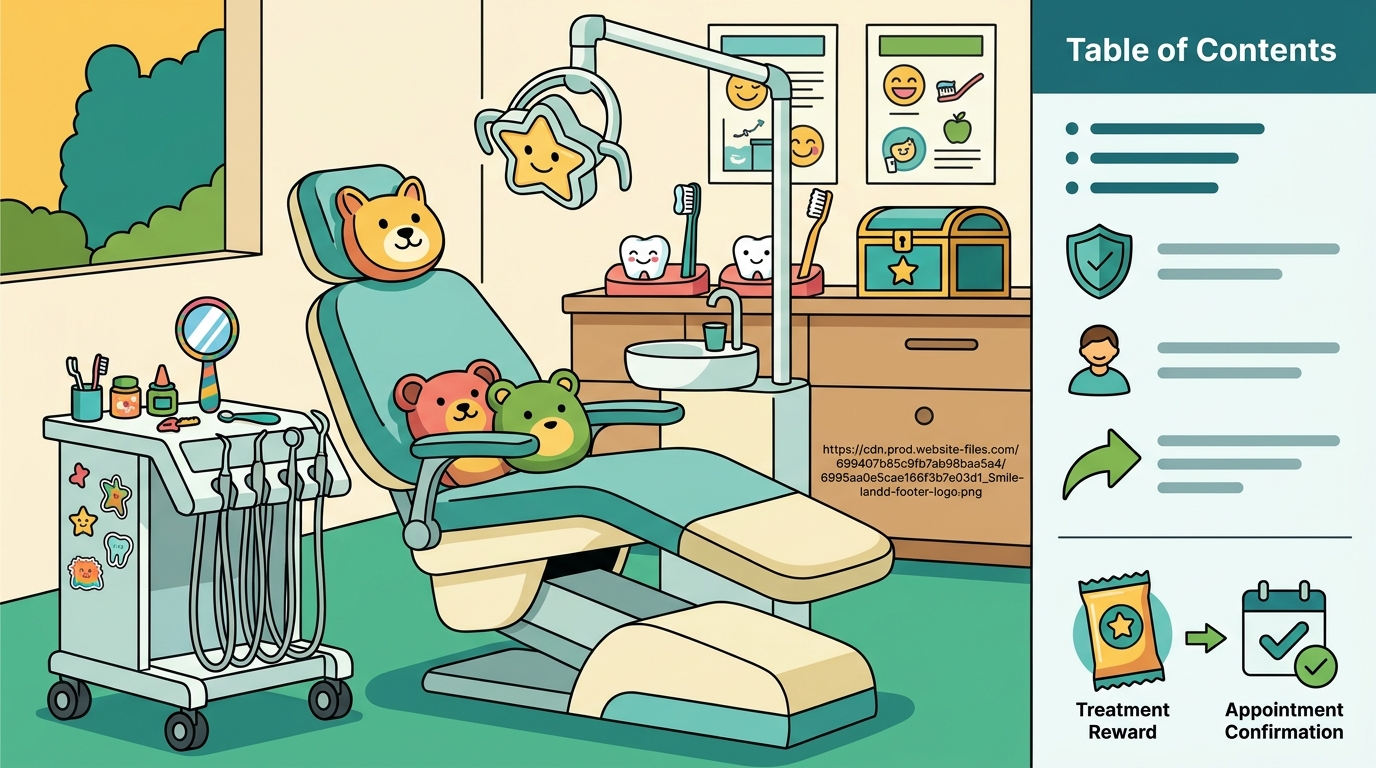
Children often associate dental visits with pain or fear, largely due to the clinical setting and unfamiliar equipment. A well-designed pediatric office mitigates these fears by creating a space that feels less like a hospital and more like a friendly community hub. At the Roslindale location, the environment is intentionally structured to be warm and inviting, helping little ones feel at ease from the moment they walk through the door.
Furthermore, the staff's demeanor is critical. A team that is patient, kind, and skilled at reading a child's emotional cues can make a substantial difference. By maintaining a calm and positive tone, the dental team helps normalize the visit, turning a potentially stressful event into a routine part of healthcare. This consistent, gentle approach is a hallmark of specialized pediatric care.
Age-Appropriate Communication and Behavioral Guidance
Effective communication is the cornerstone of managing dental anxiety in children. Pediatric dentistry is a specialty focused on the dental care of infants, children, and adolescents, requiring specific skills in behavioral management. Dentists in this field are trained to explain procedures in simple, non-threatening language that children can understand. Instead of using technical jargon, they describe what will happen in a way that is relatable and reassuring.
Before any procedure, the dentist and hygienist take the time to show the child the instruments and explain their purpose. This transparency removes the element of surprise, which is a major trigger for anxiety. For example, showing a child a mirror and letting them see their own teeth helps them feel in control. This technique, often referred to as tell-show-do, is a standard practice in pediatric dentistry to build trust and cooperation.
Parents also play a vital role in this process. The dental team encourages parents to use positive language when discussing the visit. Avoiding words like "pain" or "shot" and instead using terms like "sleepy juice" or "cleaning" can significantly reduce a child's apprehension. The team at Smileland provides parents with tips on how to prepare their child at home, ensuring that the positive messaging is consistent between the office and the home environment.
Sedation Options for Severe Anxiety
For children with significant dental anxiety or those who have had negative past experiences, behavioral management alone may not be sufficient. In these cases, dental sedation is a valuable tool that allows the dentist to provide necessary care while keeping the child comfortable and relaxed. Sedation is not a one-size-fits-all solution; the appropriate level of sedation depends on the child's level of anxiety, the complexity of the procedure, and their medical history.
Smileland offers a range of sedation options, from mild to deep, to accommodate different needs. Nitrous oxide, commonly known as laughing gas, is a popular choice for mild anxiety. It is inhaled through a small mask and helps the child feel relaxed while remaining fully conscious and able to respond to instructions. For more anxious patients, oral sedatives may be prescribed to be taken before the appointment, helping the child feel drowsy and calm.
In cases of extreme anxiety or for children who require extensive treatment, deeper levels of sedation, including IV sedation or general anesthesia, may be considered. These options are typically administered in a hospital or surgical center setting where specialized monitoring equipment is available. The decision to use these advanced sedation methods is made after a thorough consultation and evaluation of the child's specific needs. It is important to note that sedation is a medical decision and is tailored to each individual patient.
Supporting Children with Special Needs
Children with special needs, such as autism spectrum disorder, ADHD, or physical disabilities, often face unique challenges when visiting the dentist. Sensory sensitivities, difficulty with communication, and behavioral challenges can make dental visits particularly stressful. A pediatric dental office that is experienced in treating children with special needs is essential for these families. The team at Smileland is trained to accommodate a wide range of special needs, ensuring that every child receives the care they require in a safe and respectful manner.
Accommodations for children with special needs may include allowing extra time for appointments, providing visual schedules, using noise-cancelling headphones, or allowing a favorite toy or comfort item in the treatment room. The dental team works closely with parents and caregivers to understand the child's specific triggers and preferences. This collaborative approach ensures that the visit is as smooth and positive as possible. By respecting the child's pace and needs, the dental team helps build a trusting relationship that supports long-term oral health.
Additionally, the office is equipped with the necessary resources to support children with various disabilities. This includes accessible facilities and staff who are trained in disability awareness. The goal is to create an inclusive environment where all children, regardless of their abilities, can receive high-quality dental care. This commitment to inclusivity is a key factor in making a pediatric dental office a good fit for families with special needs.
Insurance and Accessibility Considerations
When selecting a pediatric dental office, insurance coverage and accessibility are practical considerations that parents must evaluate. It is important to verify whether the practice accepts your specific insurance plan and whether they are in-network. Being in-network typically means that the provider has a contract with the insurance company, which can result in lower out-of-pocket costs for the patient. Smileland accepts most major dental insurance plans and is in-network with several providers, including Delta Dental Premier, Blue Cross Blue Shield, and MetLife.
However, insurance coverage varies by plan, and it is always recommended to contact your insurance provider to confirm your specific benefits. The dental office can help estimate costs, but the final responsibility for any balance not covered by insurance lies with the patient. For families who are uninsured or underinsured, it is important to ask about payment options or financial assistance programs. Many practices offer flexible payment plans to make care more accessible.
Accessibility is another important factor. Parents should consider the location of the office, parking availability, and whether the facility is accessible for children with mobility challenges. The Roslindale location is situated in a convenient area, making it easy for families to reach. By considering both financial and logistical factors, parents can choose a dental office that is not only clinically excellent but also practical for their family's needs.
Key Takeaways
- A calm, child-centric environment is crucial for reducing dental anxiety in children.
- Age-appropriate communication and behavioral management techniques are essential for building trust.
- Sedation options, ranging from nitrous oxide to general anesthesia, are available for children with severe anxiety.
- Experienced teams are trained to accommodate children with special needs, ensuring inclusive care.
- Verifying insurance coverage and accessibility is important for practical planning.
- Smileland Roslindale offers a welcoming atmosphere and specialized care for anxious children.
Frequently Asked Questions
What is pediatric dentistry?
Pediatric dentistry is a dental specialty focused on the oral health of infants, children, and adolescents, including those with special health care needs.
How can I prepare my anxious child for a dental visit?
You can prepare your child by using positive language, reading books about dental visits, and playing "dentist" at home to make the experience familiar and less scary.
Does Smileland Roslindale offer sedation for anxious kids?
Yes, Smileland offers various sedation options, including nitrous oxide and oral sedatives, to help anxious children feel more comfortable during their visits.
What insurance plans does Smileland accept?
Smileland accepts most major dental insurance plans and is in-network with Delta Dental Premier, Blue Cross Blue Shield, and MetLife.
Can I stay with my child during the dental visit?
For children over age 4, Smileland recommends that parents remain in the waiting area to help keep the space calm and focused, but you will be updated after the visit.
How early should I arrive for a new patient appointment?
New patients should arrive 15 minutes early to complete necessary paperwork and registration forms.
Conclusion
Choosing the right pediatric dental office for an anxious child is a significant decision that impacts their long-term oral health and attitude toward dental care. By prioritizing a calm environment, effective communication, and appropriate sedation options, parents can find a practice that meets their child's unique needs. Smileland Pediatric Dentistry in Roslindale is dedicated to providing compassionate, specialized care that helps children overcome their fears and build a positive relationship with their dental team. To schedule an appointment or learn more about our services, please contact our Roslindale office.